Honey
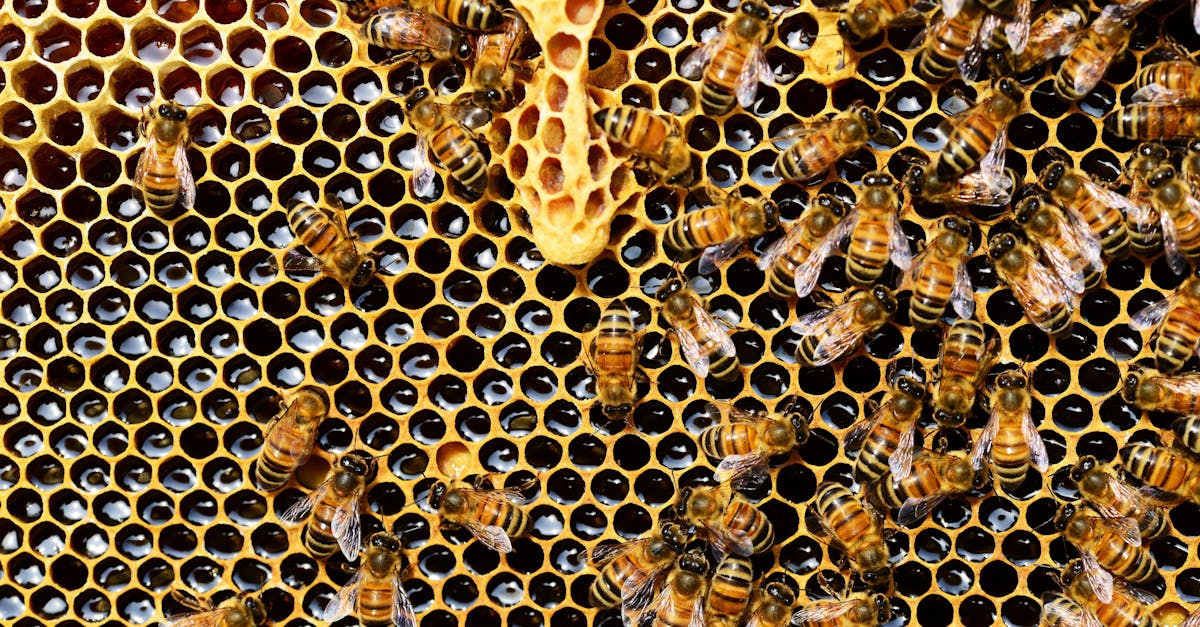
Honey, a golden, viscous liquid produced by bees, has been cherished for its taste and medicinal properties for thousands of years. Ancient civilizations, from the Egyptians to the Greeks and Romans, recognized honey as a valuable resource not just for its sweetness but also for its healing properties. It was often used in traditional medicine for treating wounds, soothing sore throats, and as a natural preservative. Over time, honey has maintained its status as a staple in natural medicine, and modern science is now confirming what ancient healers have long believed: honey is not only a delicious natural sweetener but also a potent therapeutic agent.
The complexity of honey’s composition is what makes it so uniquely beneficial. It is primarily made up of sugars, particularly fructose and glucose, but it also contains a wide array of vitamins, minerals, amino acids, and antioxidants. These components vary depending on the floral source of the nectar, the bees that produce it, and the environment in which it is harvested. This variability not only contributes to the diversity in flavor and texture among different types of honey but also to the range of health benefits it can offer. For instance, Manuka honey from New Zealand is renowned for its potent antibacterial properties, while other varieties might be prized for their rich antioxidant content.
Recent research has focused on unraveling the specific biological activities of honey, revealing that it possesses significant antioxidant, anti-inflammatory, and antimicrobial properties. These attributes make honey an effective natural remedy for a variety of ailments, ranging from common colds to more severe conditions like infections and chronic diseases. The role of honey in modern medicine is expanding, with studies exploring its potential in managing diabetes, supporting cardiovascular health, and even enhancing brain function. Its low glycemic index, for instance, makes it a safer sweetener for people with diabetes, while its ability to reduce oxidative stress and inflammation could protect against heart disease and neurodegenerative disorders.
Beyond its internal health benefits, honey has also proven to be a powerful agent in wound care and skin treatment. Its ability to promote tissue regeneration, reduce inflammation, and fight infection has led to its inclusion in various medical treatments for burns, ulcers, and other wounds. The antimicrobial properties of honey, coupled with its soothing and moisturizing effects, make it a valuable addition to both traditional and modern medical practices. As research continues to uncover the full extent of honey’s benefits, it is clear that this natural substance is much more than just a food—it is a potent, multifaceted remedy that offers a wealth of health benefits.
In this blog, we will explore the science-backed benefits of honey, delving into its therapeutic properties and the latest research findings that support its use in health and medicine. Whether you’re looking for a natural remedy to support your immune system, manage blood sugar levels, or enhance your skincare routine, honey has something to offer. Let’s dive into the world of honey and uncover the reasons why this ancient remedy continues to be a relevant and powerful tool for health and wellness.
1. Antioxidant Properties
Honey is rich in phenolic compounds, particularly flavonoids, which are powerful antioxidants. These compounds help neutralize free radicals in the body, reducing oxidative stress and lowering the risk of chronic diseases such as cardiovascular diseases and cancer. The antioxidant capacity of honey is largely dependent on its floral source and processing methods (Alvarez-Suarez et al., 2013).
2. Anti-Inflammatory and Antimicrobial Effects
Honey exhibits significant anti-inflammatory and antimicrobial properties, making it effective in treating wounds, burns, and infections. Its antimicrobial action is attributed to its low pH, high sugar content, and the presence of hydrogen peroxide and other bioactive compounds. These properties make honey an effective alternative to conventional antibiotics, especially against multidrug-resistant bacteria (Almasaudi, 2020).
What the Research Says: The Full Picture
Honey has genuine therapeutic properties—but not all honey is created equal, and there are important safety and practical considerations.
What Research Supports (The Case FOR):
-
Wound healing (FDA-approved): The U.S. FDA has approved Manuka honey for wound treatment. Clinical studies show honey accelerates tissue regeneration, reduces pain, prevents infection, and helps with burns, diabetic ulcers, and surgical wounds. It's more effective than silver sulfadiazine for some burn types.
-
Antibacterial power—especially Manuka: Manuka honey contains methylglyoxal (MGO), giving it potent antibacterial activity against antibiotic-resistant bacteria (MRSA, E. coli, Pseudomonas). It can prevent and disrupt biofilms (bacterial communities resistant to antibiotics). UMF/MGO ratings indicate potency—higher ratings mean stronger antibacterial effects.
-
Cough suppressant: Meta-analyses show honey is more effective than conventional cough suppressants (antihistamines, expectorants) for upper respiratory infections. The WHO endorses honey for cough relief in children over 12 months. Symptoms may resolve 1-2 days faster with honey treatment.
-
Antioxidant and anti-inflammatory: Raw honey contains polyphenols, flavonoids, and enzymes with genuine antioxidant effects. These reduce oxidative stress and inflammation, supporting cardiovascular and immune health.
What Research Questions (The Case AGAINST or CAUTION):
-
Regular honey ≠ Manuka honey: Most grocery-store honey is regular (not Manuka) and contains far less MGO. While regular honey has some antibacterial properties (from hydrogen peroxide), it's nowhere near Manuka's potency. Processed honey (pasteurized, filtered) loses beneficial pollen and enzymes, diminishing nutritional value. For wound healing or strong antibacterial effects, you need certified Manuka honey with UMF/MGO ratings—which is expensive ($30-80+ for a small jar).
-
Overhyped health benefits: Many claims about honey's superiority for internal consumption (gut health, detox, etc.) lack conclusive evidence. Some research found other honey varieties equally or more effective than Manuka in certain situations. The hype often outpaces the science, especially for pricey Manuka honey.
-
Infant botulism risk—CRITICAL: Honey (any type—raw, processed, Manuka) should NEVER be given to infants under 12 months. Honey can contain Clostridium botulinum spores. While harmless to older children and adults, infants' immature digestive systems cannot prevent the spores from producing toxins, causing infant botulism—a rare but serious, potentially life-threatening condition.
-
Blood sugar concerns: Honey is still concentrated sugar (fructose + glucose). While it has a lower glycemic index than white sugar and may cause less dramatic blood sugar spikes, it still raises blood glucose. People with diabetes should treat honey like any other added sugar—use sparingly, monitor blood sugar response, and consult a doctor. Some studies suggest honey may slightly improve fasting blood sugar, but high intake can worsen glucose control in type 2 diabetes.
-
Calorie-dense: Honey is high in calories (about 60 calories per tablespoon). Nutritionally, it's mostly sugar with trace amounts of vitamins and minerals. The "superfood" label overstates its nutritional contribution beyond carbohydrates.
-
Tooth enamel erosion: Undiluted lemon-honey water or frequent honey consumption can erode tooth enamel due to acidity and sugar content. Consume in moderation or dilute with water.
Bottom Line: Honey—particularly raw, unprocessed honey and especially Manuka honey—has legitimate antibacterial, wound-healing, and cough-suppressing properties backed by research. However, regular grocery-store honey won't deliver the therapeutic effects seen in clinical trials (which often use Manuka or high-quality raw honey). Honey is still sugar and should be used in moderation, especially by people with diabetes. Never give honey to infants under 12 months. For everyday use, honey is a pleasant, marginally healthier alternative to white sugar—but it's not a cure-all, and Manuka honey's premium price doesn't always justify the hype for internal consumption.
3. Wound Healing
Honey has been extensively used in wound care due to its ability to promote tissue regeneration and reduce scarring. It keeps wounds moist, which aids in faster healing and minimizes the risk of infection. Studies have shown that honey-treated wounds heal more rapidly compared to conventional treatments (Scepankova et al., 2017).
4. Antidiabetic Potential
Despite its sweetness, honey has shown promise as a complementary therapy for managing diabetes. It has a lower glycemic index than regular sugar, which means it raises blood sugar levels more gradually. Honey also positively affects glycemic control and can improve insulin sensitivity, making it a safer alternative for people with diabetes (Erejuwa et al., 2012).
5. Cardiovascular Health
Honey contributes to cardiovascular health by improving lipid profiles and reducing the risk of atherosclerosis. Its antioxidant properties help prevent the oxidation of low-density lipoproteins (LDL), commonly known as “bad” cholesterol, which is a key factor in the development of heart disease (Cianciosi et al., 2018).
6. Brain Health
Recent research highlights honey’s potential role in enhancing brain health. Honey has been found to improve memory, reduce stress, and offer neuroprotective effects, making it a potential natural therapy for neurodegenerative conditions like Alzheimer’s disease (Zamri et al., 2023).
7. Immune System Support
Honey is known to boost the immune system by enhancing the production of immune cells. Its antimicrobial and anti-inflammatory properties also help in managing infections and promoting overall immune health (Ajibola, 2015).
Conclusion
Honey is much more than a natural sweetener; it is a powerful food with a wide range of health benefits. From its antioxidant and anti-inflammatory properties to its role in wound healing, diabetes management, cardiovascular health, brain function, and immune support, honey stands out as a true “nutraceutical” – a food with therapeutic potential. Incorporating honey into your diet may provide not only a natural source of energy but also significant health benefits.
Recipes with this ingredient
Have You Tried This?
Join our collective laboratory. Share your experience level with this topic and help others gauge the journey.
Based on .
No one has shared yet. Be the first to place a pin on the map.
check_circle You marked yourself as .
Have a specific curiosity?
Our conservatory grows through the questions of its readers. Tell us what you want to learn next.